







Search Results for: international protests
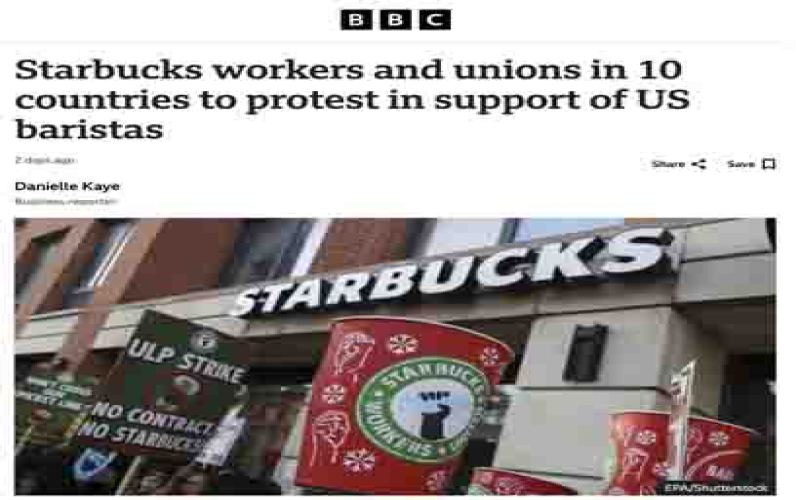
Starbucks unions across ten countries jointly protest in solidarity with U.S. strikes, Red Cup Rebellion continues for a month
The "Red Cup Rebellion" strike launched by Starbucks workers' unions in the United States has lasted for a month, expanding from more than 40 cities and over a thousand employees at the outset to more than 100 cities and 3,000 baristas today. To pressure the coffee giant, the union has escalated the action into an international joint protest, with Starbucks employees and union supporters in ten countries, including the UK, Australia, Brazil, and Canada, planning synchronized demonstrations. Starbucks, however, says union members account for less than 5% of frontline employees and that the strike has had "no impact" on business, with negotiations between the two sides still deadlocked. Where will this labor-management battle go? [more…]
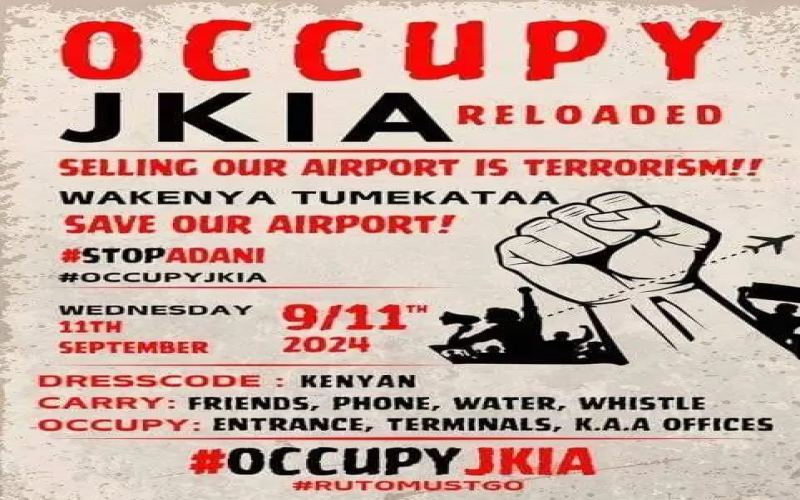
Sudden Strike and Protests at Nairobi Airport in Kenya: Coffee Exports and Foreign Investor Confidence Face a Shock
A strike and protests erupted at Jomo Kenyatta International Airport in Nairobi, Kenya's capital, over employees' opposition to the government's cooperation plans with India's Adani Group, causing numerous flight delays and cancellations and throwing airport operations into chaos. This turmoil not only hits tourism and cargo but may also weaken investor confidence, making Kenya's coffee industry even worse off. This article sorts out the cause of the incident, its development, and its chain effects on the coffee industry, helping readers understand the complex situation currently facing East African coffee origins. [more…]
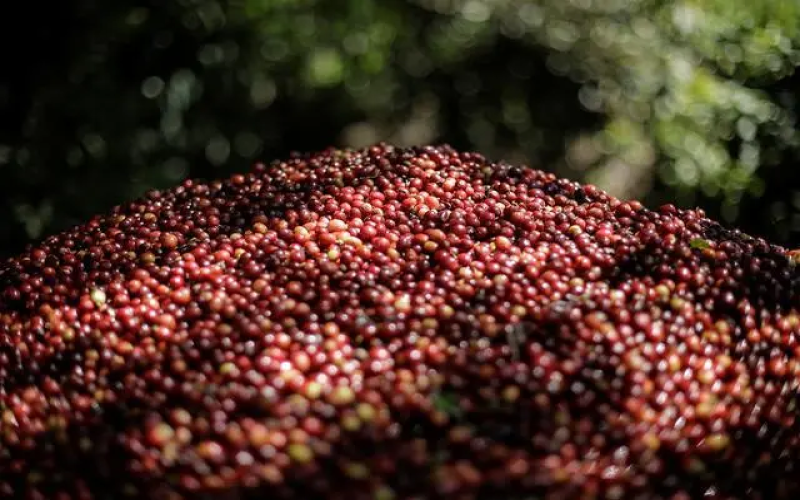
Extreme weather combined with labor loss puts Central America's coffee industry under pressure, pushing up international prices
The coffee industries of several Central American countries have recently encountered multiple challenges. In Costa Rica, unstable rainfall and labor shortages are expected to cause a production decline of about 13% in the 2023/24 season. In Nicaragua, affected by El Niño, drought persisted until mid-May, political factors have led to large-scale emigration, and labor shortages threaten harvest quality. The drought crisis at the Panama Canal remains unresolved, shipping costs are rising, and labor protests have delayed coffee harvesting. Together, these multiple factors are keeping coffee prices at high levels. [more…]

All provisions of Kenya's Finance Bill withdrawn, yet unrest persists, coffee and tourism industries hit hard
On July 25, the Kenyan Parliament unanimously voted to delete all 65 clauses of the 2024 Finance Bill, yet failed to quell the escalating wave of public protests. From the clashes triggered by tax increases in June to the dissolution of the cabinet and the opposition party's entry into government, which sparked even greater discontent, the demonstrations have spread to Nairobi, Mombasa, and other places, affecting the tourism and coffee industries. As an important coffee-producing country in Africa, Kenya has seen coffee processing plants shut down and exports blocked, casting a grim outlook on the industry's development. Front Street Coffee continues to monitor developments in the producing areas and brings you in-depth analysis. [more…]
Costa Rican Coffee Production Plummets to Historic Low: Exchange Rates, Climate, and Labor Woes Intertwine
The Costa Rican coffee industry is facing its most severe challenge in decades. The latest report from the United States Department of Agriculture shows that the country's coffee production for the 2024/25 crop year is expected to be only 1.185 million bags. Although this is on par with the previous year, it represents a sharp 66% decline from the 3.5 million bags seen in the 1990s, approaching a historic low. High debt, the continued appreciation of the colón, depressed international prices, and shrinking demand have greatly increased the financial pressure on growers, leading them to reduce fertilizer inputs and postpone the renewal of disease-resistant, high-yield varieties. In 2023, an early rainy season and abnormal high temperatures and humid harvest conditions triggered by El Niño further damaged coffee quality and yields. At the same time, transportation disruptions caused by protests in Panama and labor shortages caused by Nicaraguan migrants moving north made harvesting even more difficult. On the export side, only 975,000 bags are expected in 2024/25, and exchange rate issues have already sparked marches and protests across multiple industries. Front Street Coffee will continue to monitor developments in this producing region. [more…]
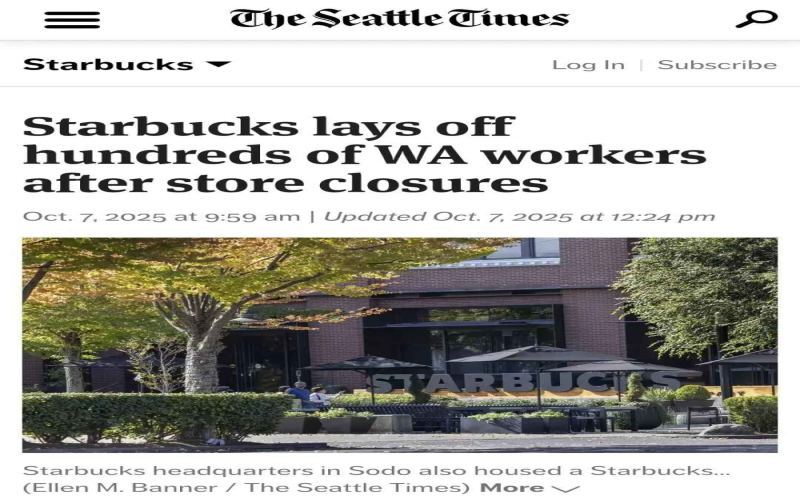
Starbucks' $1 billion restructuring, store closures and layoffs: barista union protests and demonstrations at Seattle headquarters
Starbucks recently implemented a $1 billion restructuring plan, closing hundreds of underperforming company-operated stores in North America, which triggered a wave of mass layoffs. In front of the global headquarters in Seattle's SoDo district, baristas and union members gathered to protest, holding up signs to express strong dissatisfaction with the company's decisions. Laid-off employees said they only learned of their job losses through prerecorded phone calls and social media, without being offered any opportunity to transfer. Union data shows that 59 unionized stores across the United States were permanently closed in this round of adjustments, with 369 people in Washington State facing permanent layoffs. Meanwhile, New York City regulators also pointed out that Starbucks is suspected of violating labor laws. This labor conflict is continuing to escalate, and the union stated that if their demands are not addressed, they do not rule out expanding actions or even going on strike. [more…]
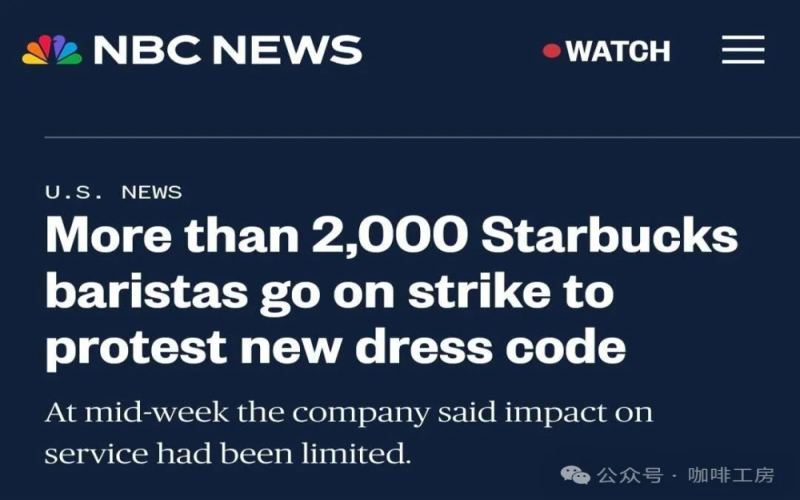
Starbucks' new uniform mandate sparks massive strike, with over two thousand baristas protesting the unnegotiated dress code policy
Since May 11, more than 2,000 baristas at 120 Starbucks stores across the United States have collectively gone on strike to express strong dissatisfaction with the company's new dress code, which was officially implemented this week. The Starbucks union pointed out on Wednesday that this action is a direct response by employees to the company's forced implementation of a uniform policy without consultation. The new rules require employees to wear black tops paired with khaki, black, or blue jeans, which the company says is intended to strengthen the brand recognition of the green apron. However, this move to tighten dress requirements for the first time in nearly a decade has been opposed by most employees, who believe Starbucks has ignored the voices of frontline baristas. [more…]

Kenya's Supreme Court Rules 2023 Finance Act Constitutional, Coffee Industry Faces Dual Challenges of Taxation and EUDR
Kenya's Supreme Court overturned the Court of Appeal's ruling on August 20, finding the 2023 Finance Act constitutional—a move that had previously sparked large-scale protests in the capital Nairobi and other regions. The act doubles the fuel value-added tax, introduces a housing levy, and raises the top personal income tax rate. The opposition and civil society groups expressed deep disappointment, fearing a further rise in the cost of living. For the coffee industry, the tax increases have pushed up production and transportation costs, squeezing profit margins; more seriously, the EU Deforestation Regulation (EUDR), set to take effect in January 2025, could deal a severe blow to Kenya's coffee exports. Currently, only about 30% to 40% of coffee is certified, while smallholder farmers are generally poorly informed about compliance requirements. Front Street Coffee will continue to monitor developments in the producing regions. [more…]
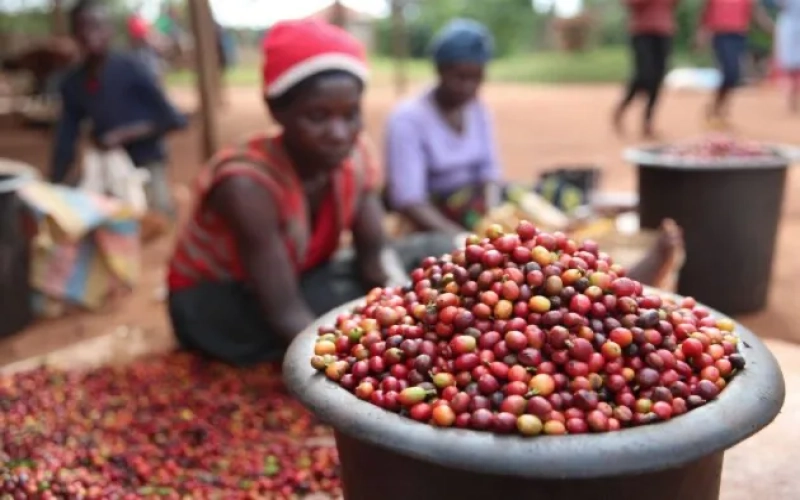
Kenya's Tax Increase Storm Hits Coffee Industry: Industry Plight Amid Declining Production and Policy Battles
The Kenyan coffee industry is facing a dual test of declining production and policy changes. A USDA report shows that due to heavy rain and reduced planting area, Kenya's coffee production in 2024/25 is expected to drop to 750,000 bags, a year-on-year decrease of 6.3%. Although the government plans to increase production by 55% to 102,000 metric tons by 2027 and has introduced support measures such as debt write-offs and a cherry fund, recent tax-increase protests and clashes triggered by a finance bill have cast a shadow over the industry's prospects. Coffee beans are traded in US dollars, and the 16% value-added tax will push up farmers' operating costs; new coffee regulations have led to processing plants halting operations, cherry rotting, and exports being hindered. Front Street Coffee notes that although the president has withdrawn the tax-increase plan, the industry still expresses concern about policy uncertainty. [more…]
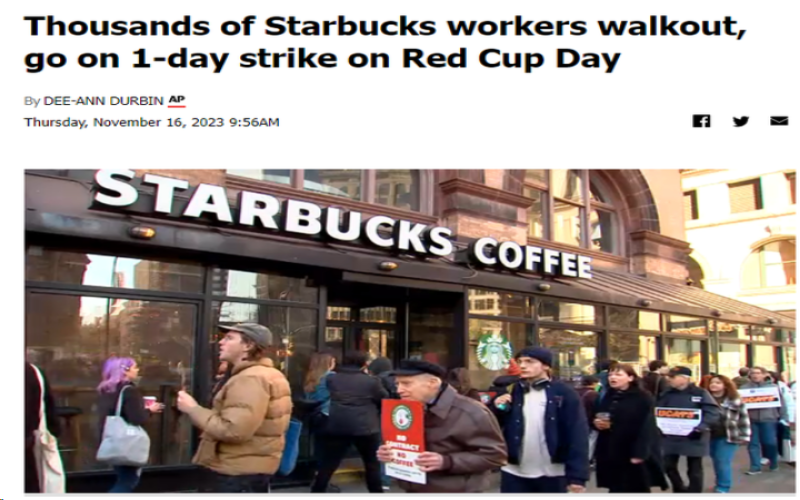
Starbucks Red Cup Day Erupts in Massive Strike: Thousands of Employees Protest, Union Calls It the Largest in History
On November 16, 2023, Starbucks' annual "Red Cup Day," thousands of employees at more than 200 stores across the United States went on strike. Organizers called it the largest labor action since the founding of Starbucks Workers United. Employees chose to strike during this peak ordering period, aiming to disrupt operations as much as possible and draw public attention. Behind the strike lies baristas' long-standing dissatisfaction with understaffing, overloaded orders, and the company's refusal to listen to their opinions. Starbucks officially responded that the union refused to schedule negotiation meetings. This one-day strike had limited impact on sales, but the public opinion fallout is worth watching. [more…]
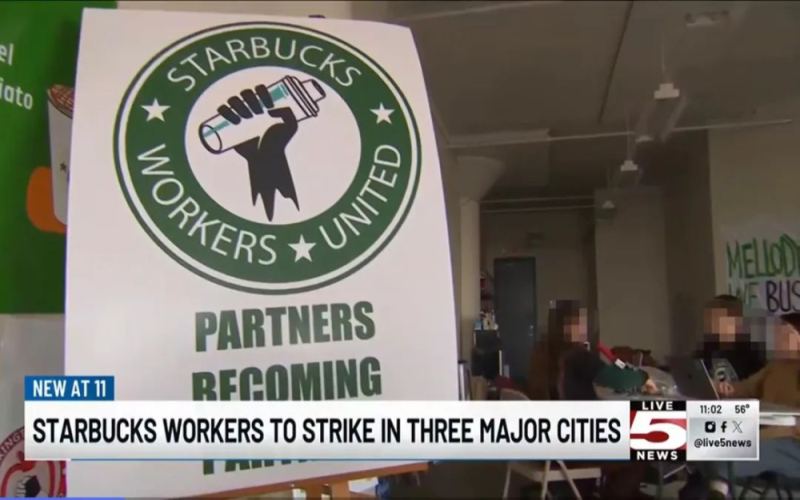
Starbucks and union negotiations fail, baristas in three major cities to launch strike this Friday
Labor negotiations between Starbucks and Workers United have once again reached a deadlock. The union has announced that it will launch strikes this Friday in Los Angeles, Chicago, and Seattle to protest unfair labor practices and low wages. Since its founding in late 2022, the union has covered more than 525 stores and over 11,000 baristas across the United States, with 98% of members voting to authorize a strike. Starbucks, for its part, responded that it has reached 30 agreements and promised to raise wages and benefits, but the union believes the economic proposal is still not rigorous. How this dispute will evolve is worth continued attention. [more…]
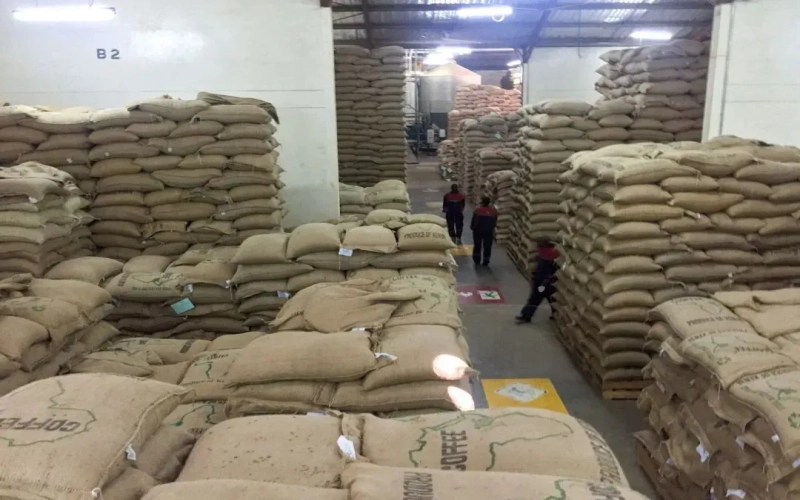
Kenyan coffee auction prices rise 15%, as declining production and political volatility loom over the industry
After the Nairobi Coffee Exchange in Kenya reopened, coffee auction prices rose significantly, with AA-grade green beans fetching US$275 per bag, up 15% from before. Behind this increase are both the direct impact of the government's push for industry reforms and the reduction of intermediary links, as well as multiple pressures such as insufficient processing plant capacity, a shortage of certified planting materials, and the mpox outbreak and domestic political instability. Despite the higher prices, coffee export earnings fell 11.38% year on year, and the industry's outlook remains full of uncertainty. [more…]

Colombia's coffee industry is mired in multiple crises: armed conflict, drought, and policy uncertainty intertwined
Colombia, as a major global coffee-producing region, is now facing a double squeeze from internal and external troubles. Domestic armed conflict has escalated again, and the ceasefire agreement between the government and anti-government armed groups has been suspended in some areas; the drought triggered by El Niño has caused reservoir levels to fall dangerously low, restricting agricultural irrigation and power supply; at the same time, coffee producers also have to deal with rising fertilizer prices, shrinking planting areas, exchange rate fluctuations, and competition from other American producing regions. Although international coffee prices have risen somewhat, the income of Colombian coffee growers has fallen instead of increasing, and an industry strike is imminent. Front Street Coffee will continue to follow developments in this producing region and bring the latest information to enthusiasts. [more…]
Colombian Government Moves to Take Over FNC: Coffee Industry Faces Dual Test of Policy and Conflict
Colombia's coffee industry stands at a crossroads of change. The National Federation of Coffee Growers (FNC), which has long represented the country's coffee industry, has always operated as a private company, but now President Gustavo Petro has explicitly stated at a major coffee producers' conference that the state must take over the FNC in order to advance the industrialization of the coffee industry and optimize the use of public resources. At the same time, the government has also launched a "Coffee Price Stabilization Fund," providing growers with economic compensation of up to 80% per kilogram. However, the domestic armed conflict continues to escalate, and the anti-government armed group the "Central General Staff" has issued a warning, with peace talks and military threats existing side by side. This article will sort through this series of policy changes and security challenges, and include related recommendations from Front Street Coffee. [more…]

Lemon Tea's Detective Conan collaboration poster sparked controversy; after apologizing, the brand shifted blame to franchisees and faced scrutiny.
Hand-shaken lemon tea brand Ningji recently announced a collaboration with the Japanese anime "Detective Conan," but found itself embroiled in controversy over CP-themed posters displayed in its stores. The posters placed Conan alongside Haibara Ai, and Shinichi Kudo alongside Ran Mouri, sparking strong discontent among fans of the original work. Although Ningji quickly issued an apology statement, attributing the incident to unauthorized actions by an individual franchisee, netizens and industry insiders broadly rejected this explanation, believing the brand was clearly derelict in its material review and respect for the IP. Notably, this is already the second time this year that Ningji has publicly apologized over problems with marketing material oversight. For coffee and tea beverage enthusiasts, how collaborative marketing can strike a balance between respecting the original work and consumers has once again become an industry topic worth watching. [more…]

Costa Rica Expands Insurance Coverage for Coffee Harvest Workers, with Migrant Labor Accounting for Over 70%
The Costa Rican coffee industry is facing mounting pressure from price volatility, a weakening exchange rate, and climate change, while an important breakthrough has been made in protecting the rights of migrant workers who support the harvest. According to La Nación, thousands of migrant coffee pickers will receive workplace accident insurance, and a disease and maternity insurance program launched in 2021 will continue to expand. Migrant workers account for more than 75% of the country's seasonal harvest labor force, most of them from Nicaragua, with some also from Panama. In the Central Valley, CoopeLibertad, a cooperative made up of nearly 1,200 producers, emphasizes both social responsibility and quality. Meanwhile, in 2023 coffee prices fell from $3.20 per pound to $2.30, the dollar depreciated 27% against the colón within 18 months, and the harvest is expected to decline 12.6%, the smallest in a century. Front Street Coffee continues to follow developments in producing regions and sustainable development in the industry. [more…]
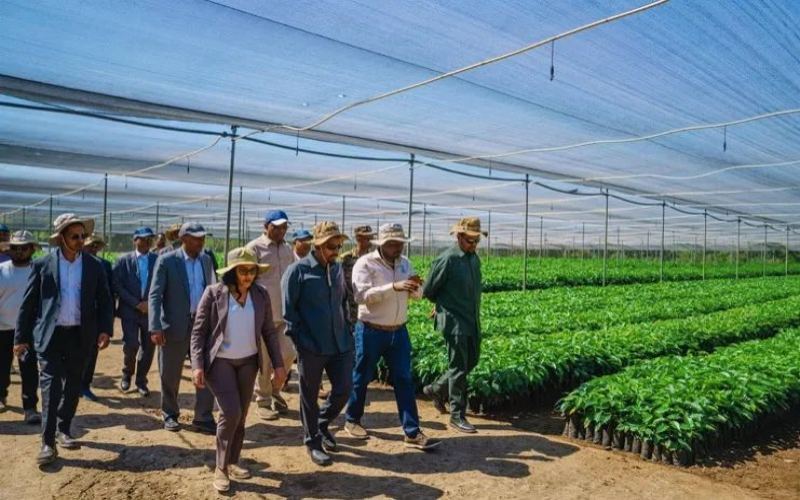
Ethiopia Aims for $2 Billion Coffee Exports in New Fiscal Year, Opportunities and Challenges Coexist
Ethiopia is striving to expand its coffee cultivation area and trade scale, aiming to achieve coffee export revenue exceeding 2 billion USD in the 2024/25 fiscal year. Over the past five years, the country has planted billions of coffee trees and introduced mechanized assistance, with export volumes in October of this fiscal year showing a significant year-on-year increase. However, the industry still faces price volatility, exchange rate risks, and uncertainties brought about by the new pricing mechanism. Meanwhile, Ethiopia and Somalia have signed the Ankara Declaration, which is expected to open up new maritime routes and alleviate logistical bottlenecks in coffee exports. This article will review the latest developments and prospects of Ethiopia's coffee industry. [more…]

CHAGEE's lottery mechanism questioned: user wins four times in one month, fairness under scrutiny
Recently, netizens discovered that in a lucky draw event run by the official Chongqing account of Chagee, the same user won four times within a single month, sparking widespread skepticism. Because the account's lucky draw did not use the platform's built-in system tool but was instead manually selected by operations staff, many netizens suspected "black box manipulation" in the event. Although the questioned winner came forward to clarify that they simply participated frequently and had good luck, the explanation only deepened public suspicion. As of press time, Chagee's official side has yet to make any response to the matter. [more…]

A customer at Starbucks was approached by a stranger offering a code to place an order—was it an employee violating the rules or a scalper reselling vouchers?
Recently, a netizen posted on social media about an encounter at a Starbucks store with a middle-aged woman not wearing an apron who held up a QR code and demanded an order, even pressuring them with the remark, "Air conditioning isn't free, you know." The incident sparked heated discussion: Starbucks has long been known for its "third place" concept, allowing people to sit without making a purchase, so why did forced sales occur? Was the person involved a store partner offering extended services, or a scalper reselling coupons? Netizens engaged in fierce debate over whether Starbucks should unconditionally welcome all guests, how scalpers profit from the price difference, and whether staff collude with them. This article reconstructs the incident and the various viewpoints, exploring the boundaries between space management and consumption rules in coffee shops. [more…]
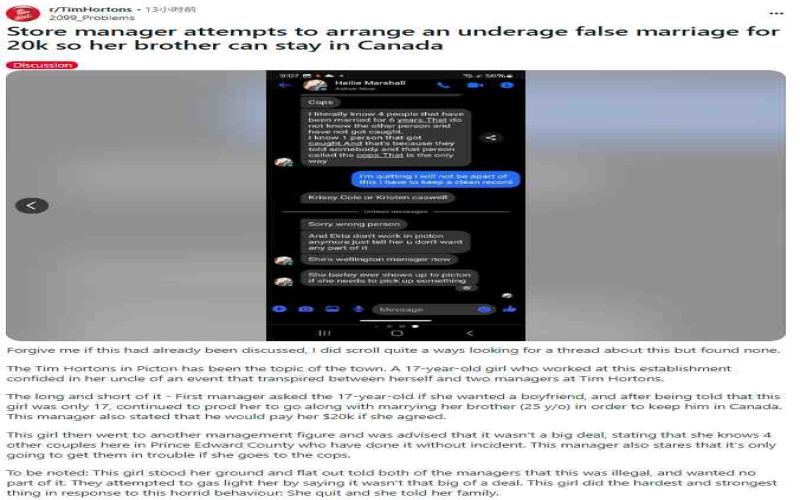
A Tims store in Canada has been exposed: a manager allegedly urged a 17-year-old employee to enter a sham marriage in exchange for permanent residency, while another tip-off claims wages were as low as C$8.
Canadian national coffee brand Tims has recently become embroiled in a public opinion storm on social media. A store in Ontario was accused of a manager suggesting to a 17-year-old employee that they enter a "sham marriage" with the manager's 25-year-old Indian relative to help the latter obtain Canadian permanent residency, promising a payment of 15,000 to 20,000 Canadian dollars. After the individual refused, they resigned and made the chat records public. Local police and immigration authorities have intervened, and Tims headquarters is also investigating. Subsequently, more netizens revealed that after the store changed owners, it gradually dismissed local long-term employees and only hired people of a specific ethnicity, as well as issues such as a hourly wage of only 8 Canadian dollars at a downtown Toronto store and one and a half months of unpaid training, triggering widespread doubts among Canadians about Tims' employment practices and brand reputation. [more…]